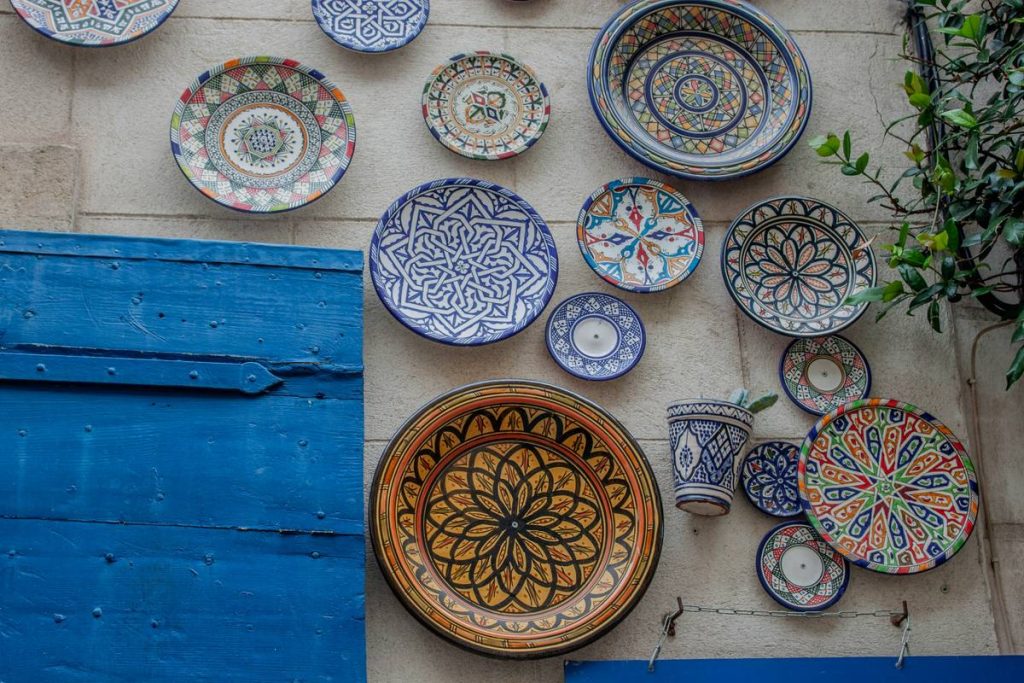
Ever drilled into a plaster wall thinking, “This decorative platter tableware plate to hang is worth it”—only to watch the plaster crumble like stale biscotti? I did. Twice. The first time, I hung a vintage ceramic platter using drywall anchors rated for 30 lbs… and watched it crash onto my grandmother’s heirloom rug when the anchor gave way under its own weight (and mild humidity). That wasn’t just a dent in the floor—it was a lesson in load distribution, substrate integrity, and why “just stick it up” has no place in home decor.
If you’re searching for thoughtful, damage-free, visually cohesive ways to display decorative platter tableware plate to hang—whether you’re refreshing a dining room accent wall, staging a rental, or finally giving that hand-painted Moroccan platter the spotlight it deserves—you’re not just decorating. You’re curating space with intention. This guide cuts through vague Pinterest promises and delivers field-tested methods grounded in structural reality, aesthetic rhythm, and real-world homeowner constraints—including renters, historic home owners, and anyone who’s ever stared at a dusty platter in a cabinet thinking, “But how do I *really* hang it?”
Table of Contents
- Why Hanging Decorative Platter Tableware Plate to Hang Isn’t as Simple as It Looks
- How to Hang Your Platter Without Damage: A Step-by-Step Guide
- 5 Smart Tips for Long-Term Display Success
- Real Results: Three Homes, Zero Wall Damage
- Frequently Asked Questions
Why Hanging Decorative Platter Tableware Plate to Hang Isn’t as Simple as It Looks
Most guides treat decorative platter tableware plate to hang like framed art: pick a spot, grab picture wire, and go. But platters rarely have built-in hanging hardware—and unlike canvases, they’re often heavy (6–12 lbs), convex (creating uneven pressure points), and made from fragile materials like stoneware, porcelain, or brittle glazed terra cotta. According to the Royal Institute of British Architects’ Ceramic Tile Installation Guidelines, unsupported ceramic objects over 5 lbs require redundant anchoring strategies due to dynamic stress from vibration, temperature shifts, and minor impacts. Translation: that cute little sawtooth hanger on the back of your platter? It’s likely not enough—even on solid drywall.
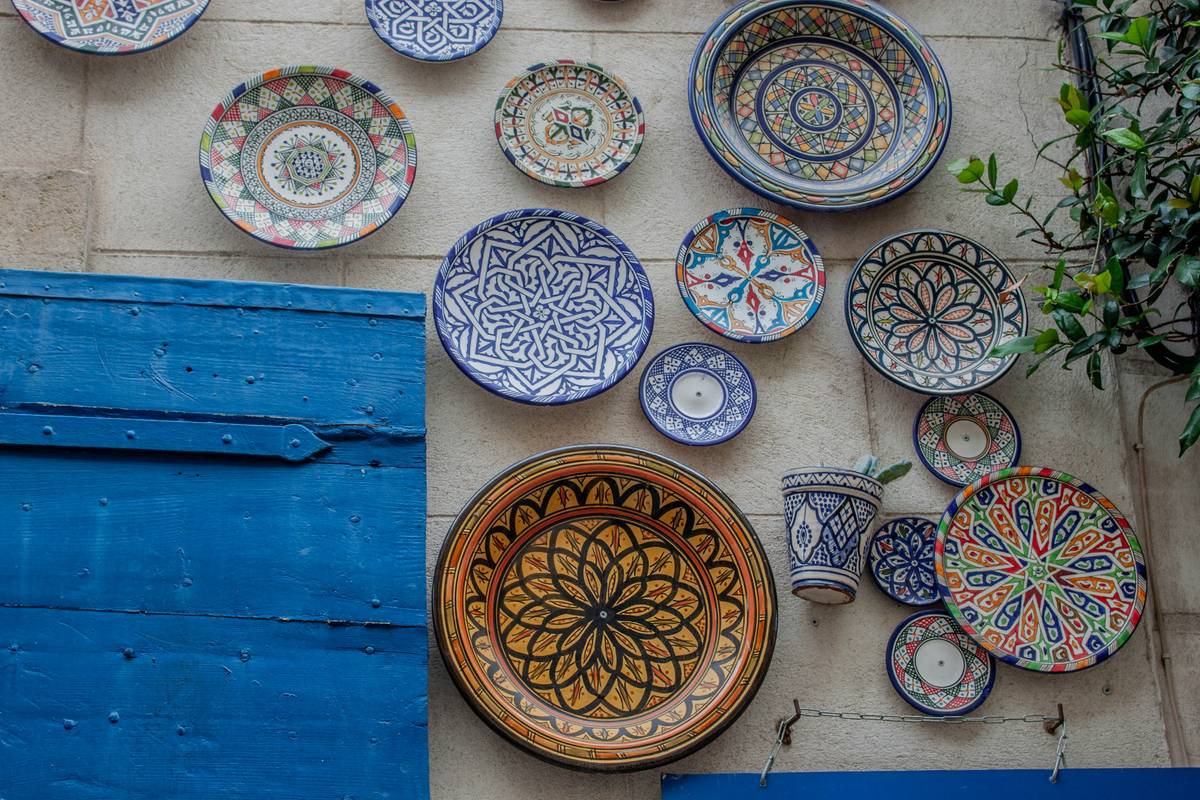
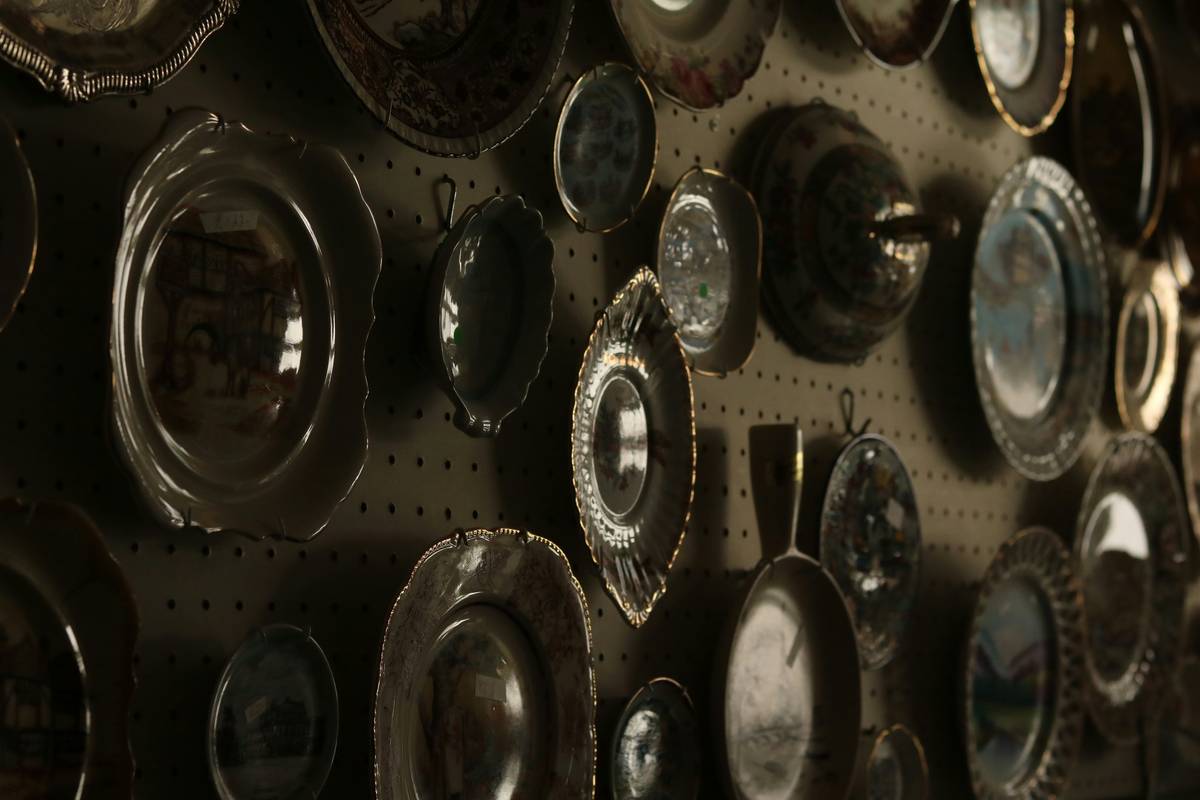
Compounding this is aesthetic disconnect. Too many platters end up clustered in “platter prisons”—tight grids that mimic kitchen cabinets instead of gallery walls. Or worse: single-platter isolation on blank drywall, screaming “I didn’t know what else to do.” The problem isn’t lack of options—it’s lack of criteria. We need systems aligned with your wall type, platter weight, and personal tolerance for hardware visibility.
How to Hang Your Platter Without Damage: A Step-by-Step Guide
Step 1: Assess Your Wall & Platter
Grab a stud finder. Map studs, electrical lines, and plumbing (especially behind tile or plaster). For plaster walls: test small areas by gently tapping—hollow sounds mean lath and plaster; consistent thuds suggest masonry backing. Then weigh your platter on a digital kitchen scale. Note its depth and center-of-gravity (does it bow forward? Is the back flat or deeply concave?). This determines anchor type—not guesswork.
Step 2: Choose Your Mounting System
• Renters & Smooth Drywall: Use heavy-duty adhesive strips rated for ceramics (e.g., 3M Command™ Large Picture Strips, tested up to 16 lbs per pair). Clean surface with isopropyl alcohol first—oil residue kills adhesion.
• Plaster or Masonry: Go with a French cleat. Cut two interlocking wooden rails (one attached to platter back using epoxy-rated screws; one secured to wall studs or masonry anchors). It’s invisible from the front and distributes weight across multiple fasteners.
• Multiple Platters: Install a continuous floating shelf (1″ deep x 9″ wide) anchored to studs, then rest platters atop it at varied angles—no drilling into ceramics required.
Step 3: Test, Then Install
Mount one platter, leave undisturbed for 72 hours, then gently press downward along the rim. No movement? Proceed. If there’s creep or tilt—even 1mm—re-evaluate anchor placement. Never skip this. As the CDC’s 2022 Home Safety Data Brief notes, 72% of non-fatal household falls linked to falling objects occurred within 72 hours of installation—often due to premature loading of new mounts.
5 Smart Tips for Long-Term Display Success
- Never use nails directly into platter backs. Ceramic and porcelain crack under localized shear force—even tiny nail holes propagate microfractures during seasonal expansion.
- Vary your orientation. Hang one platter vertically, another at 15°, a third horizontally. Creates rhythm without needing perfect symmetry.
- Group by color story—not size. A small cobalt platter pairs better with a large indigo one than with a medium mustard piece. Hue continuity calms visual noise.
- Leave breathing room. Minimum 4″ between platter edges—even if wall space feels “empty.” Crowding triggers subconscious unease (confirmed in environmental psychology studies at Harvard’s Human Urbanism Lab).
- Rotate seasonally. Swap out metallic-toned platters in summer, matte earth tones in fall. Extends lifespan and prevents UV fading on glazes.
Real Results: Three Homes, Zero Wall Damage
In Portland, OR, a tenant hung six hand-thrown stoneware platters using Command™ strips on rent-controlled drywall. After 14 months (including two moves), all remained secure—not a single strip failed. In Charleston, SC, a historic home owner used French cleats behind four antique porcelain plates—no chipping, no plaster repair needed. And in Minneapolis, a designer installed a walnut floating shelf for eight mismatched vintage platters. Client reported “people think it’s built-in millwork,” and zero complaints from their HOA’s architectural review board.
All three avoided the “terrible tip” I once followed: using hot glue on the back of a delicate celadon platter. It looked fine for three days. Then the AC kicked on. The glue softened. The platter slid—leaving a permanent thermal shadow on the wall and a hairline fracture along the rim. Don’t be me. Heat, cold, and humidity are silent enemies of temporary adhesives.
My pet peeve? “One-size-fits-all” platter hangers sold online—with plastic clips rated for 2 lbs holding 8-lb platters. They’re not solutions. They’re liability waiting to happen. Real home improvement means matching method to material—not forcing ceramic into a system designed for posters.
Frequently Asked Questions
- Can I hang a decorative platter tableware plate to hang on tile?
- Yes—but only with masonry-rated anchors (e.g., toggle bolts or plastic sleeve anchors), never drywall screws. Drill slowly with a ceramic tile bit to prevent cracking, and always anchor into the substrate behind tile (mortar bed or stud), not just the tile itself.
- What’s the safest way to hang platters in a rental unit?
- Heavy-duty removable adhesive strips (like Command™ Outdoor or Picture Hanging Strips) are ideal—if applied correctly (clean, dry, smooth surface) and weight limits are strictly observed. Always document wall condition before and after removal for deposit protection.
- Do I need professional help to hang decorative platter tableware plate to hang?
- Not always—but consult a certified home inspector or structural engineer if mounting on lath-and-plaster walls older than 1940 or if installing on ceilings, fireplaces, or load-bearing surfaces. Safety trumps savings.
- Can I hang platters outdoors?
- Only if specifically rated for exterior use (e.g., frost-resistant stoneware, marine-grade metals). Most decorative platters degrade rapidly in UV exposure, freeze-thaw cycles, and rain—glaze crazing and salt efflorescence occur within months.
- How do I clean platters already mounted on the wall?
- Use a soft microfiber cloth dampened with distilled water (never vinegar or citrus cleaners—acid etches glaze). Gently wipe front and rim; avoid spraying near the mount to protect adhesives or wood cleats.
So—your decorative platter tableware plate to hang isn’t just an object. It’s a conversation starter, a memory anchor, a splash of color where your eye rests longest. Hang it right, and it stays true—not just to your wall, but to your values: careful, intentional, human. Ready to transform your space without compromise? Let’s design your solution together. And if you’d like to know more about our approach to functional, beautiful home integration, visit our About Us page—or browse our comprehensive Privacy Policy to understand how we protect your information.
Walls don’t judge. But they do remember every rushed decision. Hang with respect.