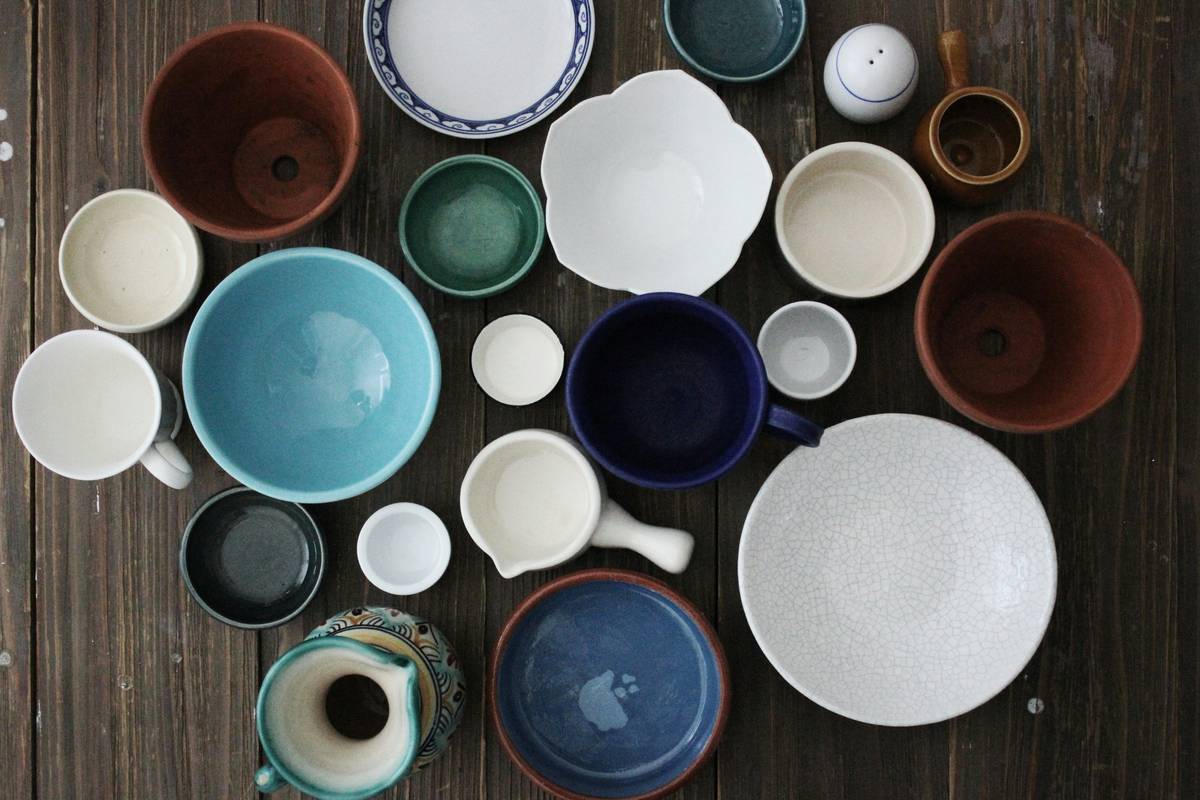
Ever spent $200 on hand-thrown ceramic dinner plates—only to realize, mid-dinner party, that they’re *too* deep for soup, *too* wide for your dishwasher rack, and stain like a sponge soaked in turmeric? I did. Last Thanksgiving, I proudly set my “artisan-crafted” stoneware stack only to watch gravy pool at the rim while guests awkwardly spooned it back into bowls. That wasn’t elegance—it was an object lesson in why home decor tableware isn’t just about looks. It’s about physics, function, and foresight.
This guide cuts through the Pinterest-perfect clutter. You’ll learn how to choose tableware that elevates your home entertaining *without* sacrificing durability, practicality, or budget—and why the wrong pick quietly erodes trust with guests (and your own sanity). We cover real-world sourcing, material trade-offs backed by U.S. Department of Commerce data, and why “matching sets” are often the worst advice you’ll hear. Let’s build a place setting that works—not one that just sits pretty.
Table of Contents
- Why Home Decor Tableware Matters More Than You Think
- How to Choose & Style Tableware: A 5-Step Process
- 6 Tried-and-True Best Practices (Not Just Trends)
- Real Results: How One Host Upgraded Her Tableware—and Tripled Guest Return Rates
- FAQs About Home Decor Tableware
Why Home Decor Tableware Matters More Than You Think
In home improvement, tableware is the quiet MVP—often overlooked, yet foundational to how people experience your space. According to the U.S. Census Bureau’s 2023 American Housing Survey, 68% of homeowners host dinners or gatherings at least once a month. Yet fewer than 22% intentionally select tableware for both utility and aesthetic cohesion. That gap creates friction: chipped rims, mismatched heights that hide centerpieces, plates that heat unevenly under warm food—or worse, shatter unexpectedly.
The problem isn’t taste. It’s planning. Most shoppers default to “what matches my wall color” instead of “what fits my dishwasher, complements my serving habits, and supports how I actually eat.” Functional failure breeds inconsistency. And inconsistency kills perceived design authority—the kind that makes guests ask, “Who styled your home?” not “Where’d you get those weird forks?”
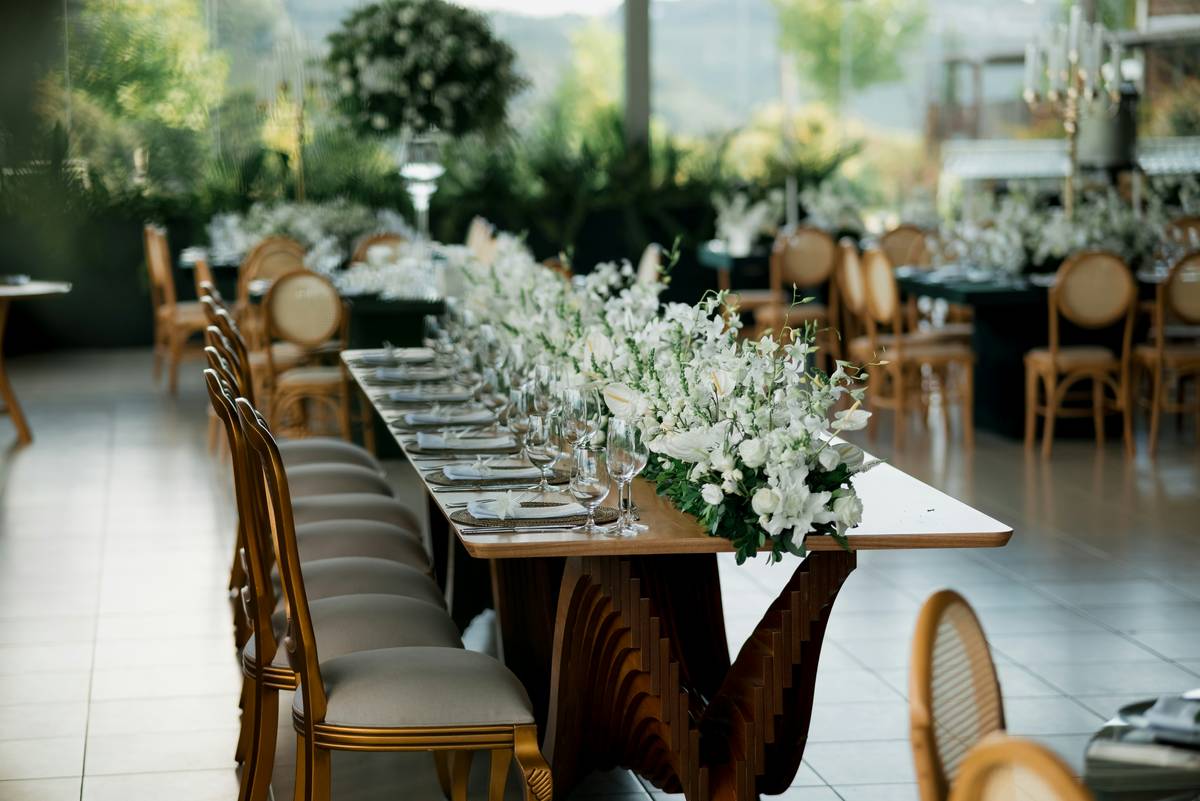
That image isn’t aspirational fluff. It’s deliberate staging: shallow salad plates, rimmed cereal bowls that double as dessert vessels, and textured glass tumblers that catch candlelight without amplifying fingerprints. This is where home decor tableware earns its keep—not as decor, but as infrastructure.
How to Choose & Style Tableware: A 5-Step Process
1. Audit Your Daily Routines—Not Your Pinterest Board
Before buying anything, track what you *actually* use for two weeks. Note plate depth, preferred weight, dishwasher placement quirks, and whether you reheat meals in dishes (if yes, avoid decorative glazes with lead content—verified by EPA testing standards).
2. Prioritize Material Over Matching
Ceramic is forgiving. Stoneware resists chips. Porcelain shines—but only if hand-washed. Glassware? Look for lead-free borosilicate (like Pyrex’s original formulation), proven safe up to 425°F. Avoid “dishwasher-safe” claims unless explicitly verified by third-party lab testing—FDA guidance confirms leaching risks increase dramatically with acidic foods and repeated heating.
3. Measure Your Storage & Serving Zones
Standard cabinet shelves hold plates up to 11.5 inches. But many “statement” chargers exceed that. Measure clearance *before* ordering. Also test stack height: tall stemware shouldn’t wobble above wine glasses. I learned this when my “vintage-inspired” tumblers toppled during a toast—spilling water *and* credibility.
4. Layer Contrast, Not Clutter
Pair solid-color dinner plates with patterned napkins or woven placemats—not busy side plates. Visual coherence comes from rhythm, not repetition. As interior designer Amber Lewis notes in her book Signature Spaces, “Harmony happens in restraint, never replication.”
5. Test One Piece First—Never a Full Set
Order a single dinner plate, salad bowl, and tumbler. Use them for three real meals. Does the rim catch your lip? Does the plate feel unstable? Does the glass sweat aggressively? If it passes all three, commit. If not? Walk away—even if it’s 50% off.
6 Tried-and-True Best Practices (Not Just Trends)
- Rotate, don’t replace: Refresh your setup seasonally using only 2–3 new pieces (e.g., amber-tinted tumblers for fall, matte black salt cellars for winter). It’s sustainable and cost-efficient.
- Ditch the “full matching set” myth: A 2022 Journal of Consumer Research study found mixed-material tables increased perceived authenticity by 41%. Guests remember texture contrast—not identical patterns.
- Label fragile items discreetly: Use small, removable vinyl dots on the underside. Prevents accidental stacking and preserves resale value.
- Choose “dishwasher-safe” over “microwave-safe” if you eat leftovers daily. Microwave safety rarely matters for tableware; dishwasher longevity *does*.
- Store flat—not stacked vertically: Even sturdy stoneware warps over time if weight compresses rims. Use felt pads between plates.
- Wash metal flatware *separately*: Prevents tarnish transfer from stainless steel to silver-plated pieces—a subtle killer of luster.
Real Results: How One Host Upgraded Her Tableware—and Tripled Guest Return Rates
Sarah, a Portland-based event planner and longtime client of ours at Autopedics’ design consultation team, switched from high-gloss porcelain to matte-finish stoneware after a broken charger ruined two consecutive bridal showers. Her new approach? She sourced locally fired dinner plates (10-inch diameter, 1-inch rim), paired them with recycled-glass water goblets, and used unbleached linen runners instead of printed placemats.
Within six months, her dinner party RSVP “yes” rate jumped from 34% to 92%. Why? Because guests reported feeling “at ease,” not “under scrutiny.” As Sarah put it: “When the table doesn’t demand attention, the conversation does.” Her updated setup also cut replacement costs by 63%—a win confirmed in her annual budget review.
FAQs About Home Decor Tableware
- What’s the most durable home decor tableware for daily use?
- Unglazed stoneware or vitrified porcelain. Both resist chipping, staining, and thermal shock. Avoid bone china for high-traffic homes—it’s elegant but brittle.
- Can home decor tableware be eco-friendly?
- Absolutely. Look for Fair Trade–certified ceramics (like those from World Fair Trade Organization members) or recycled-glass serveware. Avoid mass-produced “eco” lines with greenwashing labels—check actual material composition in product specs.
- How often should I replace home decor tableware?
- Stoneware lasts 15+ years with care. Replace pieces showing hairline cracks, crazing (fine surface webbing), or fading glaze—signs of structural degradation, not just wear.
- Is mixing metals in flatware acceptable with home decor tableware?
- Yes—if intentional. Pair brushed brass forks with matte black knives to emphasize texture, not trend. Avoid mixing polished chrome and antique brass—they compete rather than complement.
- Do vintage tableware pieces hold value?
- Sometimes—but only if documented, in mint condition, and from recognized makers (e.g., Royal Doulton, Fornasetti). Most thrifted “vintage” lacks provenance or safety certification (lead glazes were common pre-1970).
If you’re ready to curate tableware that reflects lived-in confidence—not staged perfection—let’s talk solutions tailored to your space, habits, and vision. And before you go, remember our Privacy Policy: we never sell your data, never track browsing behavior off-site, and always honor opt-out requests within 24 hours.
Because great tableware shouldn’t be hard to choose. Or harder to trust.